
The Moment It Comes Up
You pull into the garage after a storm rolls through, hit the remote, and the door stops halfway with a grinding noise. Your spouse says, "That's on the landlord, call them." You're pretty sure you saw that same door struggling to close the week you moved in. Now you're both trying to remember what the lease said, and nobody actually read that section closely. This is the conversation worth having calmly, with facts, instead of guessing in the driveway.
The General Rule, in Plain Language
Most leases split responsibility along one simple line: the landlord covers the garage door's structure and mechanical systems — springs, cables, tracks, the opener motor, panels that fail from age or weather. The tenant covers damage caused by misuse or neglect — backing into the door, letting kids slam it shut, ignoring an obvious problem until it gets worse.
Normal wear and tear almost always falls on the landlord. A spring that snaps after years of cycles, rollers that seize up from humidity, a panel that's rusted through near the bottom seal — that's the cost of owning a house in a hot, salty climate, not something a tenant caused. If a repair is because something wore out, it's generally not your bill.
Where It Gets Gray
- Batteries: remote and keypad batteries are usually the tenant's job, same as smoke detector batteries.
- Routine lubrication: often unspecified in leases — ask directly, because skipping it in humid air speeds up rust and squeaking.
- Storm damage: wind, flying debris, or a door that wasn't rated for the wind load it took — this is almost always a landlord/insurance matter, not a tenant repair bill.
- Delayed reporting: if a tenant notices grinding or a door hanging crooked and waits months to say anything, a landlord may argue the resulting damage was preventable. Report problems in writing, right away, regardless of who pays.
What to Inspect at Move-In
Do this walkthrough together before you sign anything, and take photos with timestamps. It takes fifteen minutes and saves a lot of arguing later.
- Open and close the door manually (disconnect the opener first) and feel for resistance, uneven movement, or grinding.
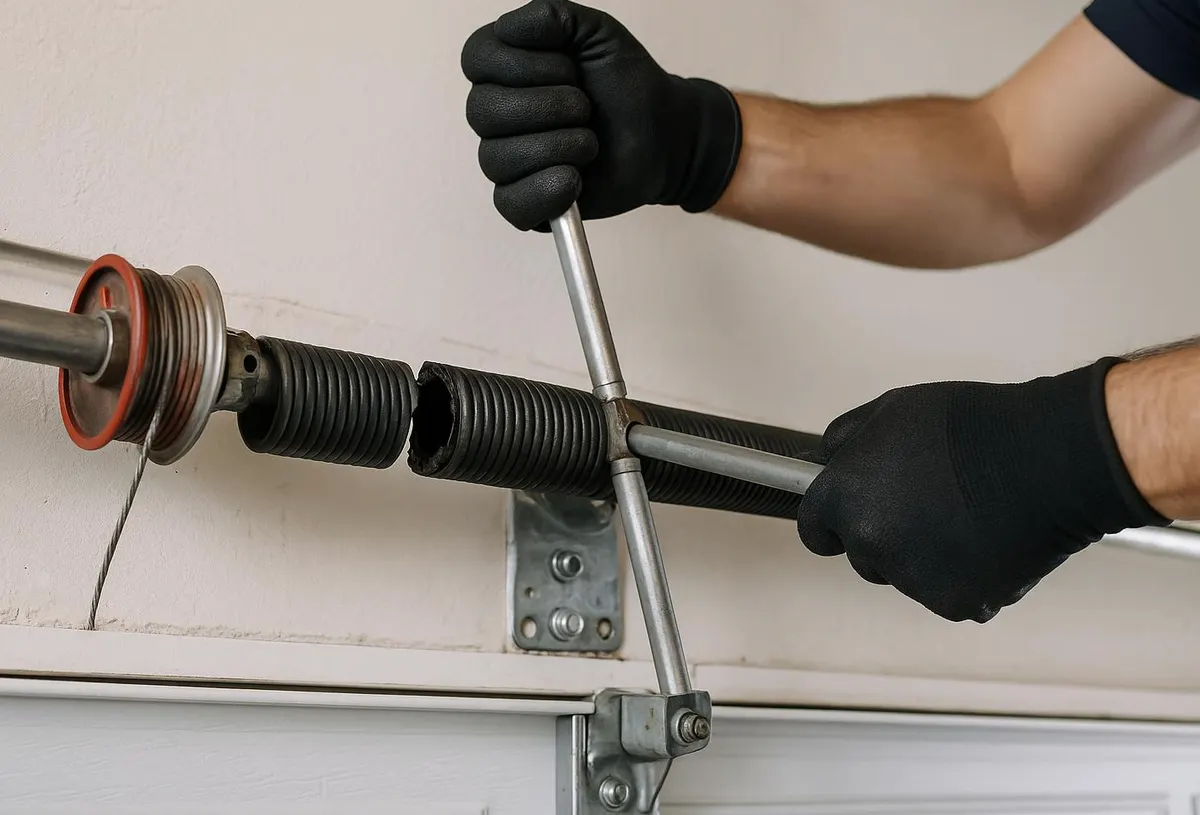
- Check the springs above the door for visible rust, gaps, or a spring that looks stretched compared to its pair.
- Look at the tracks for dents, rust, or spots where they've pulled away from the wall — common where salt air has had years to work on the hardware.
- Inspect panels for dents, soft spots, or swelling along the bottom edge, which shows up fast in Keys humidity.
- Test the opener — does it respond on the first try, reverse properly when something blocks the sensor, and hold the door fully closed without creeping open?
- Check the weatherstripping along the bottom and sides; gaps let in rain during afternoon downpours and invite pests.
- Ask about the wind-load rating. Older doors in this area may not meet current storm standards, and that's worth knowing before hurricane season, not during it.
Write down anything you find, send it to the landlord in an email or text, and keep a copy. That message becomes your proof that a problem existed before you moved in.
When to Call Islamorada Overhead Door Co
If you're a tenant and the landlord agrees to fix something, or you're a landlord trying to get ahead of a dispute, get a professional opinion before anyone starts guessing. We can tell you plainly whether a noise is a worn roller or a spring about to fail, and whether a door's hardware is holding up against salt air or quietly rusting from the inside.
Two services come up often in these situations: Off Track Door Repair, when a door has been forced closed while misaligned and the tracks have bent or pulled loose, and Preventive Maintenance, which is the cheapest way to settle future arguments — a yearly check of springs, cables, rollers, and seals catches problems while they're still minor and documents the door's condition for lease records.
If you're dealing with a move-in dispute, a storm-damaged panel, or a door that's never worked quite right, give Islamorada Overhead Door Co a call. We serve Islamorada, Tavernier, Key Largo, Plantation Key, and the rest of the Upper Keys, and we'll give you a straight answer about what's actually wrong and who typically handles that kind of repair — no pressure, no guesswork.